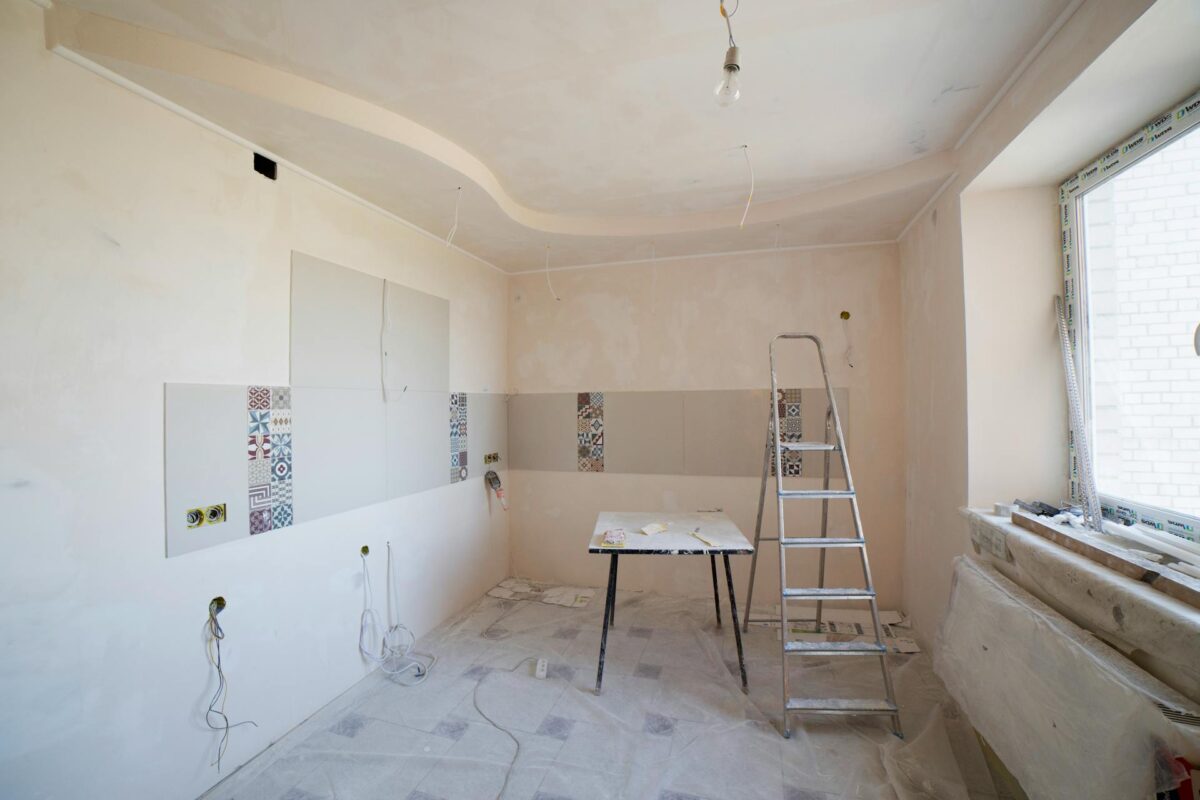
There’s a point in almost every home project where the excitement gets ahead of the thinking. One minute it’s inspiration boards and finish samples, and the next it’s delays, changed decisions, and costs that somehow grew legs overnight. In West Sussex, that usually happens not because people make bad choices, but because they underestimate how much the early groundwork shapes the end result.
A lot of homeowners assume the visible part is the hard part. It isn’t. The difficult bit is getting the practical decisions right before work starts: layout, access, sequence, materials, permissions, and the standard you actually expect when everything is finished. That matters whether you are planning a broader refurbishment or speaking to a team about a kitchen renovation London project with more moving parts than first meets the eye.
At the premium end of the market, the pattern is usually the same. Better outcomes come from better preparation, clearer decisions, and realistic expectations from day one. That’s the difference between a project that feels controlled and one that feels like it’s constantly catching up with itself.
Why the earliest decisions shape the final result
Listen, people love to focus on the part they can picture. Cabinet lines. Flooring tones. Lighting. Handles. Worktops. Fair enough. But the final look is usually decided long before any of that goes in. It starts with how well the scope is defined, how accurately the space is assessed, and whether the order of works makes sense from the outset.
That’s where many projects quietly win or lose. If layout decisions stay vague, if measurements are treated as “close enough,” or if material choices are left floating until late in the job, the knock-on effect is almost always time, money, or compromise. Premium results rarely come from last-minute thinking. They come from front-loading the important decisions.
The details people tend to underestimate
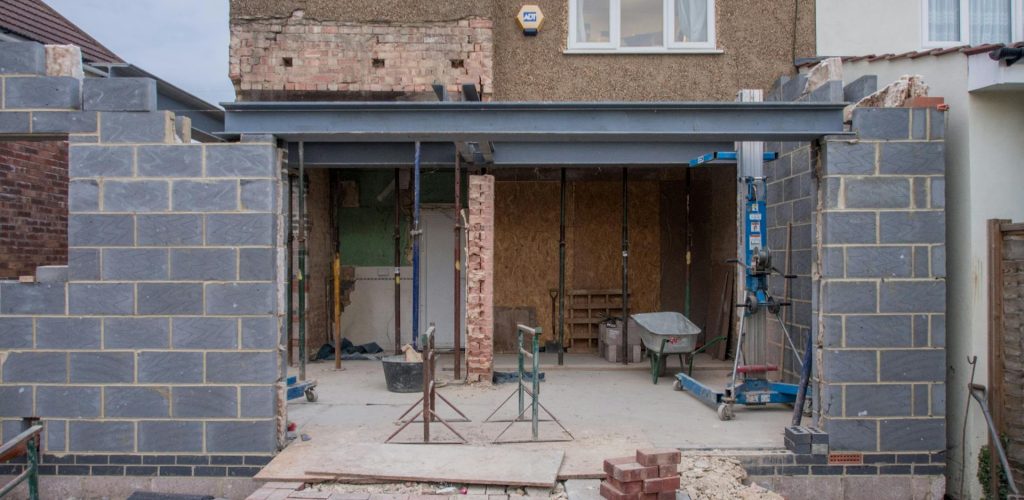
Older properties across Sussex can throw up issues that look minor until the work begins properly. Uneven walls, outdated services, awkward access, hidden damage, and structural quirks all affect what can be done cleanly and how long it will take to do it well. That’s one reason blanket assumptions are dangerous, especially when the brief is meant to deliver a refined finish rather than a quick cosmetic upgrade.
Materials are another classic blind spot. People often choose finishes based on appearance alone, then realise later that lead times, installation method, maintenance, or compatibility with the space were never properly considered. A polished result is not just about choosing expensive materials; it’s about choosing the right ones early enough for the programme to stay coherent.
Then there’s the issue nobody enjoys talking about: access and logistics. Waste removal, delivery timing, protection of surrounding areas, and sequencing around other trades are not glamorous topics, but they are exactly the things that separate a tidy, well-managed project from one that starts causing friction at home.
What experienced professionals do differently
Experienced teams tend to spend more time asking awkward questions early. That’s usually a good sign. It means they are trying to understand how the property works, where the risks sit, what level of finish is expected, and what decisions need locking in before progress can be smooth.
They also think in sequence, not in isolated tasks. Good project flow depends on the order being right, because design choices, approvals, site preparation, first-fix work, finishes, and snagging all affect one another. When that sequencing is loose, the result is usually avoidable disruption and the kind of “small delay” that somehow turns into three weeks.
Just as importantly, experienced professionals define what “done properly” actually means. That includes finish standards, tolerances, responsibilities, and practical expectations during the job. If you want a calm project, clarity beats enthusiasm every single time.
Where projects usually go off track
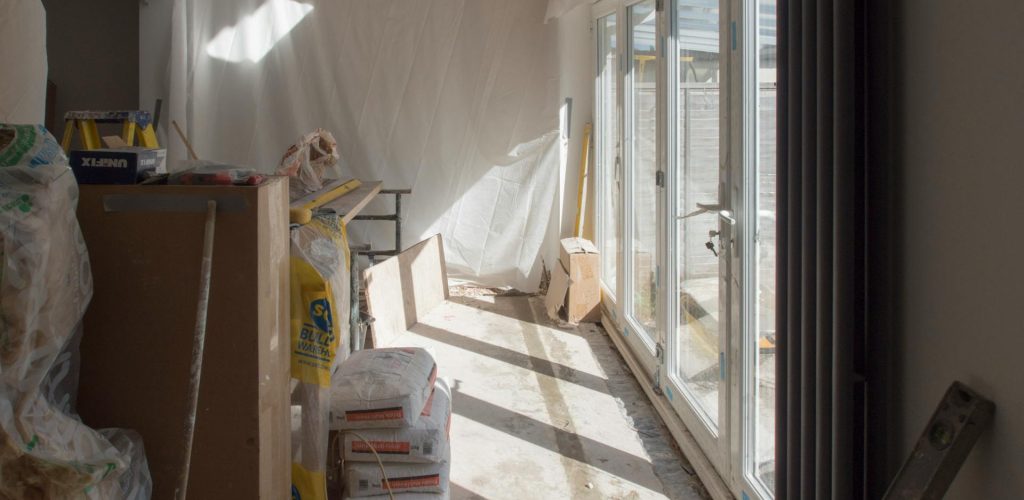
Most projects do not go wrong because of one dramatic mistake. They drift. A decision gets postponed. A finish changes late. A measurement assumption turns out to be wrong. A product has a longer lead time than expected. Then everyone is solving problems that should have been dealt with before work began.
Another common issue is trying to move too fast through the planning stage. On paper, rushing sounds efficient. In reality, it often creates rework, confusion, and pressure on the parts of the job that need precision. The irony is that slowing down at the start is often what protects the timeline later.
And yes, expectations matter. A premium finish needs discipline. If the instructions are unclear, the brief keeps shifting, or nobody has pinned down the standard of outcome properly, even skilled trades can end up working around uncertainty rather than toward a clean, unified result.
What homeowners should realistically expect
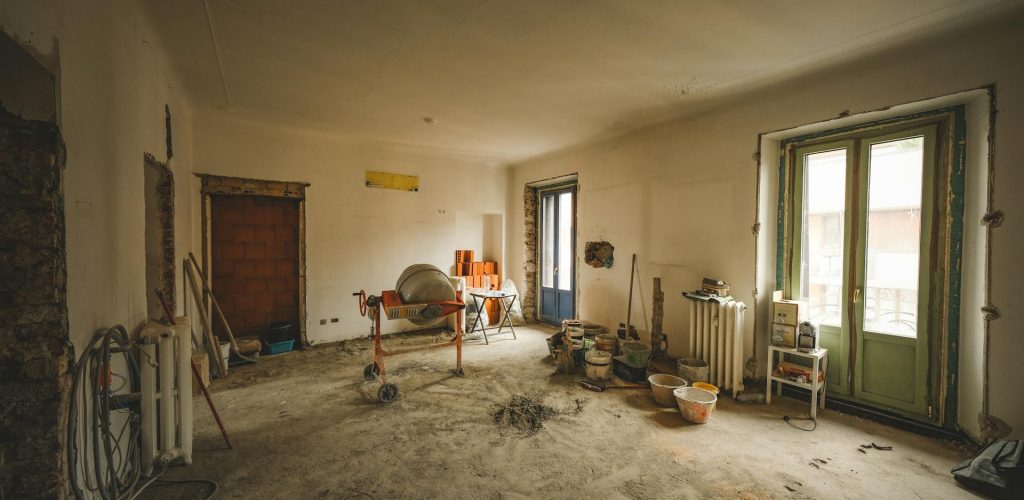
A well-run project should still feel like a project. There may be noise, temporary disruption, restricted access, deliveries, and a fair bit of coordination behind the scenes. That part is normal. What should not feel normal is confusion about what is happening, why it is happening, or what comes next.
Homeowners should also expect the early stages to involve more discussion than they first imagined. That is not overcomplication. It is usually a sign that the team is trying to reduce avoidable surprises later, especially where planning, regulations, property constraints, and finish choices all need to align.
If you are still at the stage of weighing up options, it helps to look at how experienced local specialists approach preparation, sequencing, and finish standards before judging quotes or timescales on face value alone. A serious team should make the process clearer, not murkier.
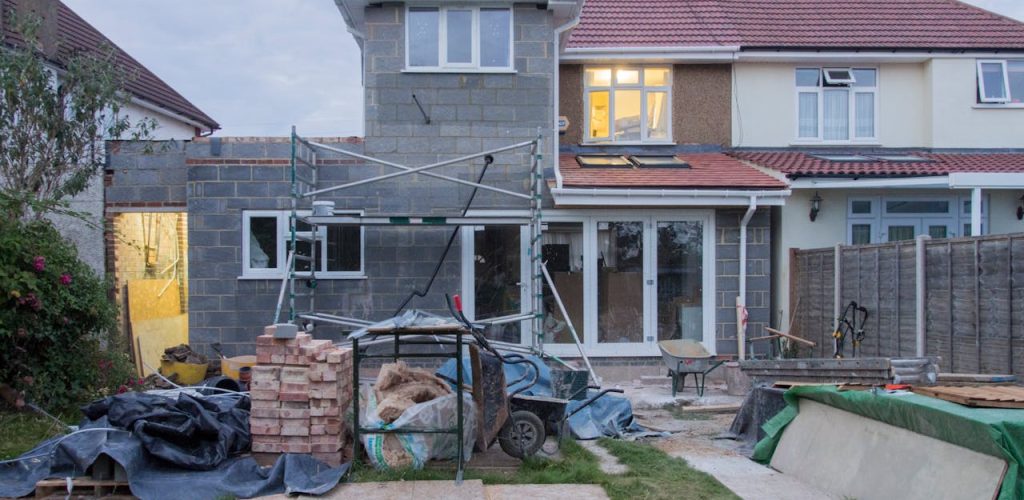
A practical checklist before speaking to a specialist
Before you start conversations in earnest, get these basics straight in your own mind first. It saves time, sharpens the brief, and makes early advice far more useful.
Decide what matters most: appearance, layout, functionality, timeline, or long-term value.
Be realistic about the property itself, especially if it is older or likely to conceal surprises.
Gather inspiration, but separate “nice idea” from “must-have requirement.”
Ask early about permissions, building regulations, and any local constraints.
Allow room in your thinking for lead times, coordination, and snagging rather than treating installation as the whole job.
If you’re planning a high-spec project and want clear advice before making early decisions, NR Group Ltd can help you understand what to expect and where careful preparation makes the biggest difference.